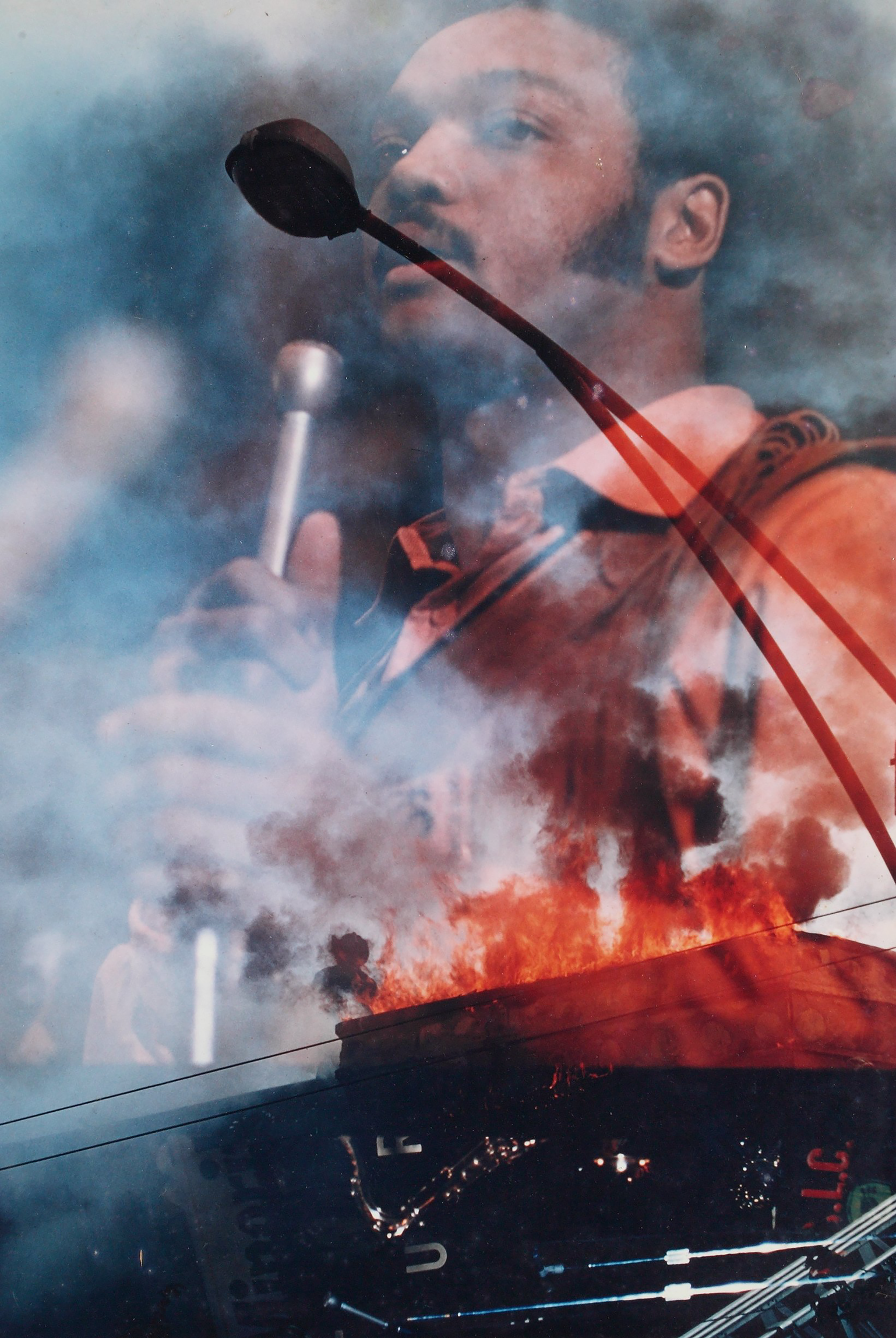
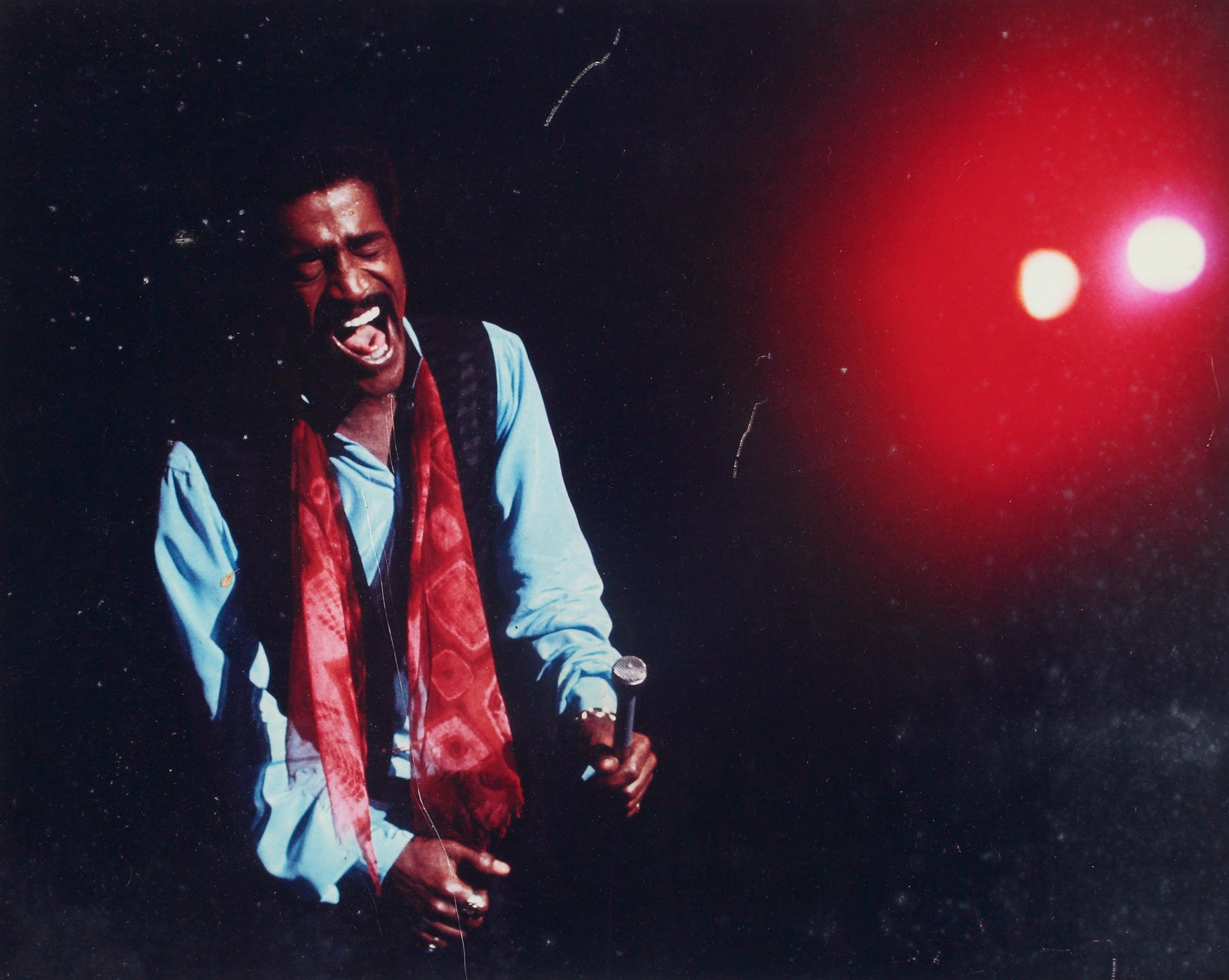
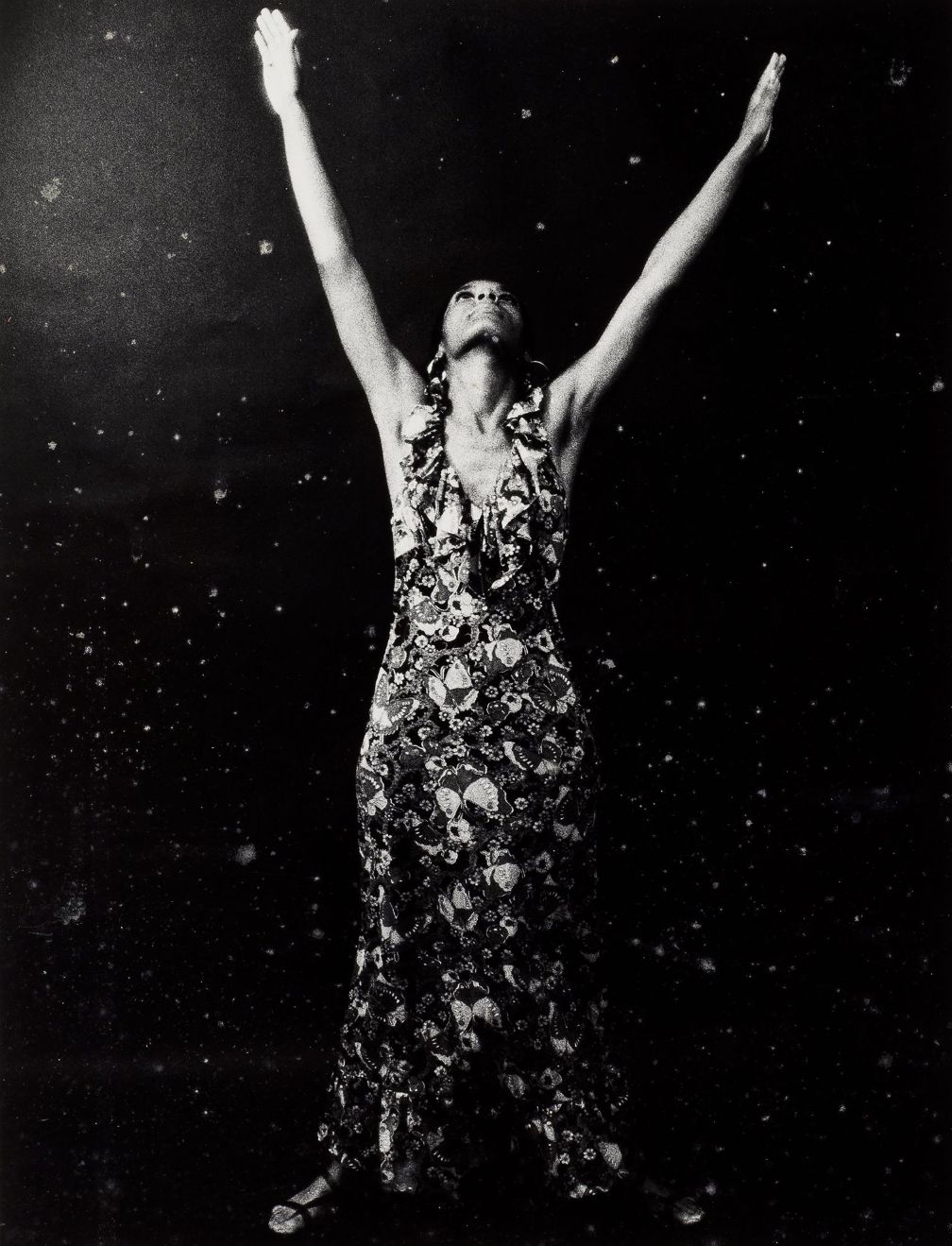
Ralph Jenkins (American artist, active ca. 20th century), Untitled, 1974. Gelatin silver print. Photograph by Harold Murray. Courtesy of the South Side Community Art Center Archives.
The Sound of the South Side: Jazz, Form, and Freedom
This exhibition considers jazz as a living cultural language and lineage—one shaped by migration, experimentation, tension, and collective expression.
Across the South Side of Chicago, musicians transformed neighborhood clubs, theaters, and community spaces into sites of abstraction, pleasure, and political expression. What emerges is not only a history, but an ongoing condition—one that continues to shape how the city is heard and understood.
Drawn from the archives and collections of the South Side Community Art Center, this gallery documents the cultural environments that shaped Chicago’s jazz landscape—tracing the spaces, performances, and everyday conditions through which jazz was lived, made, and carried forward on the South Side.
This presentation also marks the South Side Community Art Center’s first digital exhibition. As we prepare for the next chapter of our historic building through ongoing restoration and expansion, this virtual format allows us to remain in active dialogue with you, our community—extending the reach of our archives while building toward what’s to come.
SOUNDING THE CITY
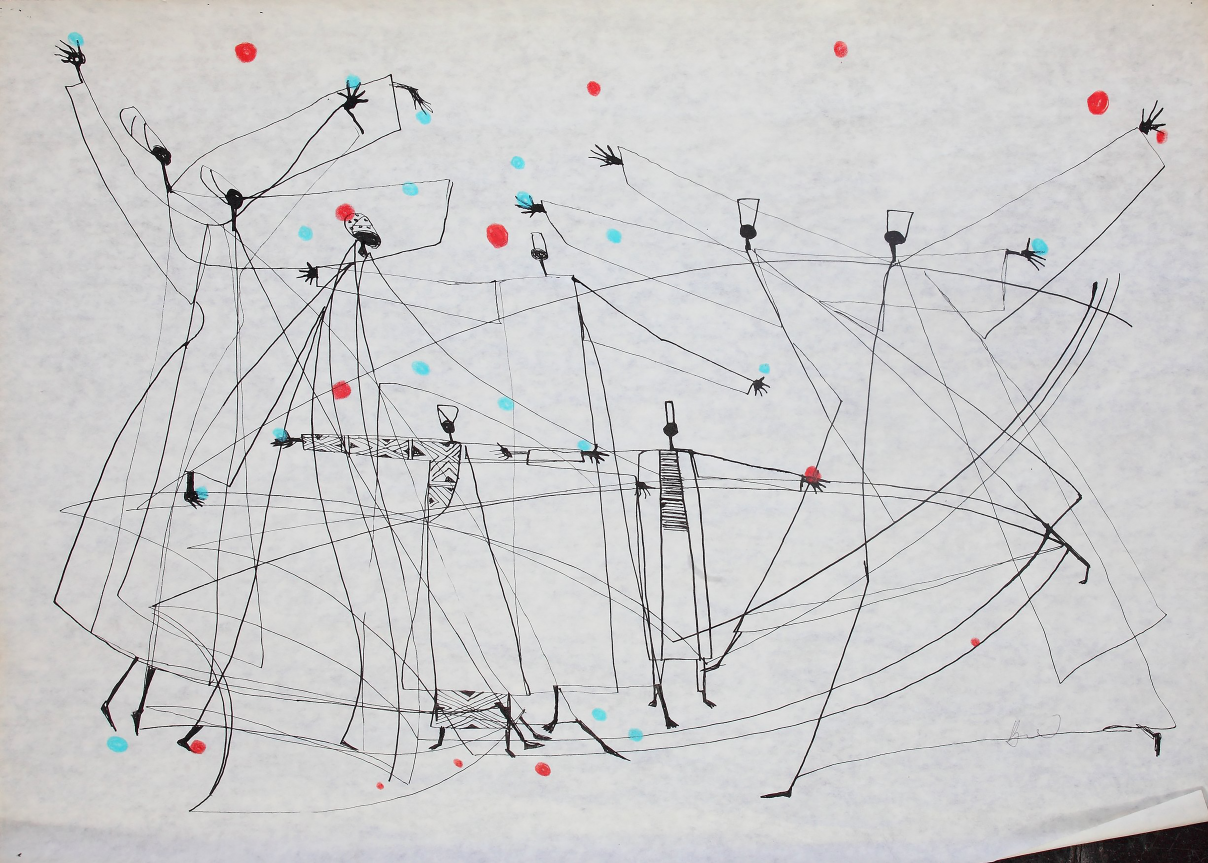
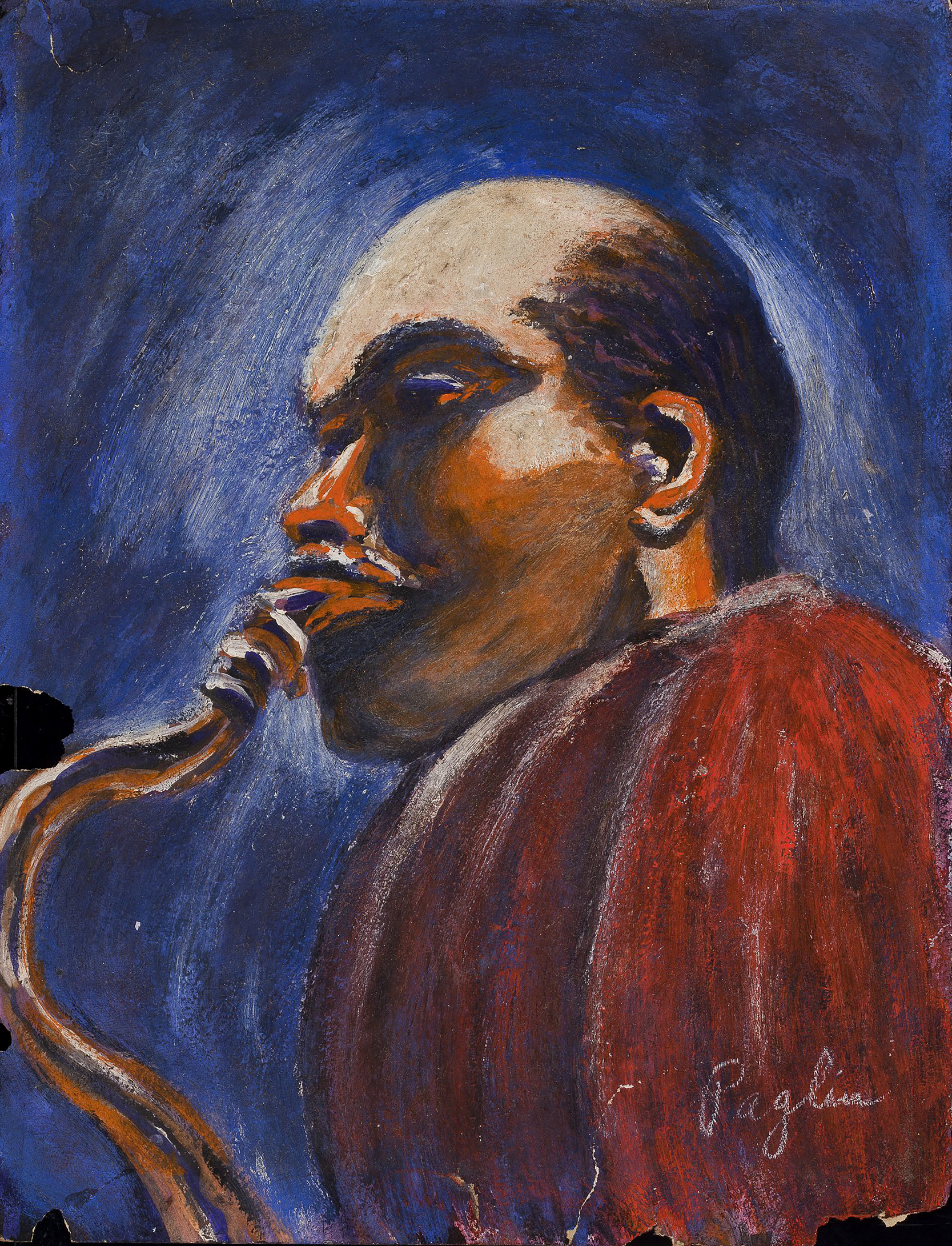
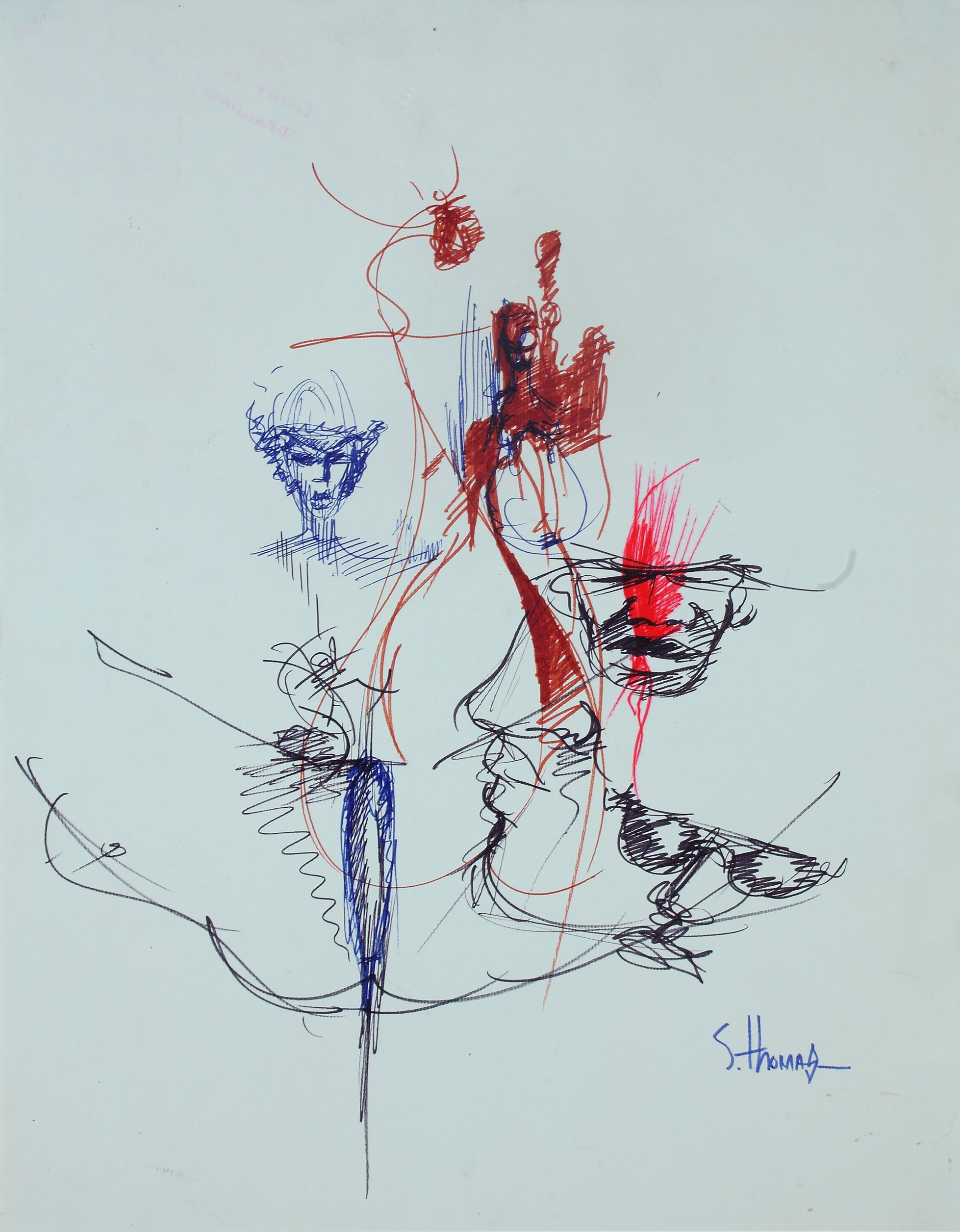
Chicago is not simply a site where jazz developed—it is a city shaped by it. The movement of sound through clubs, homes, streets, and institutions produced new ways of listening, gathering, and creating.
Jazz emerges here as both structure and improvisation: a form built in real time, shaped by those who play and those who witness.
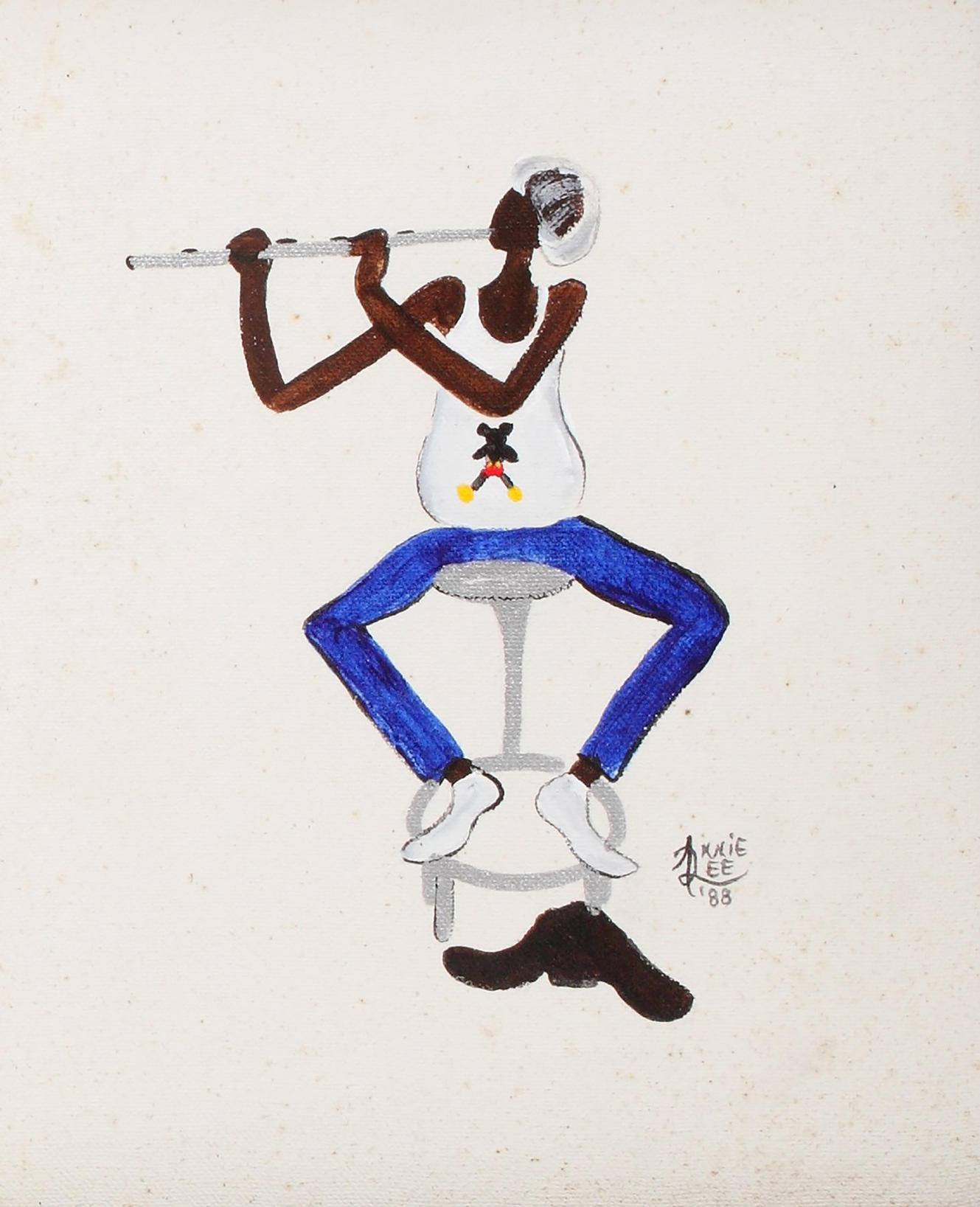
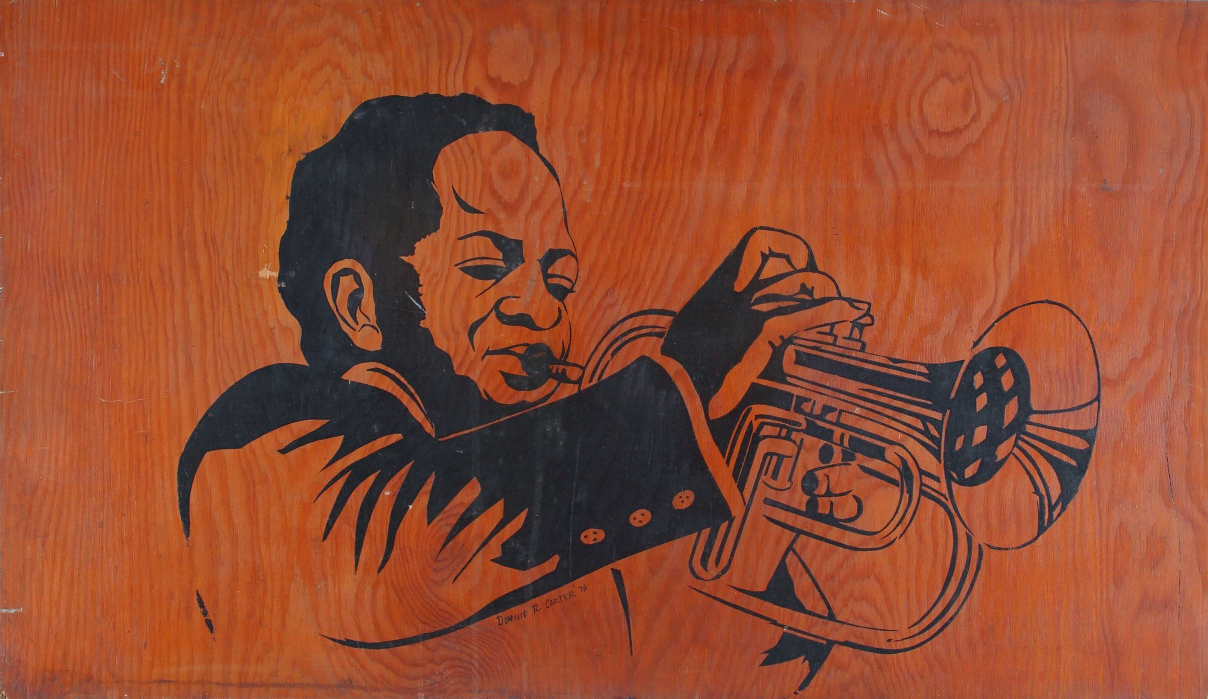
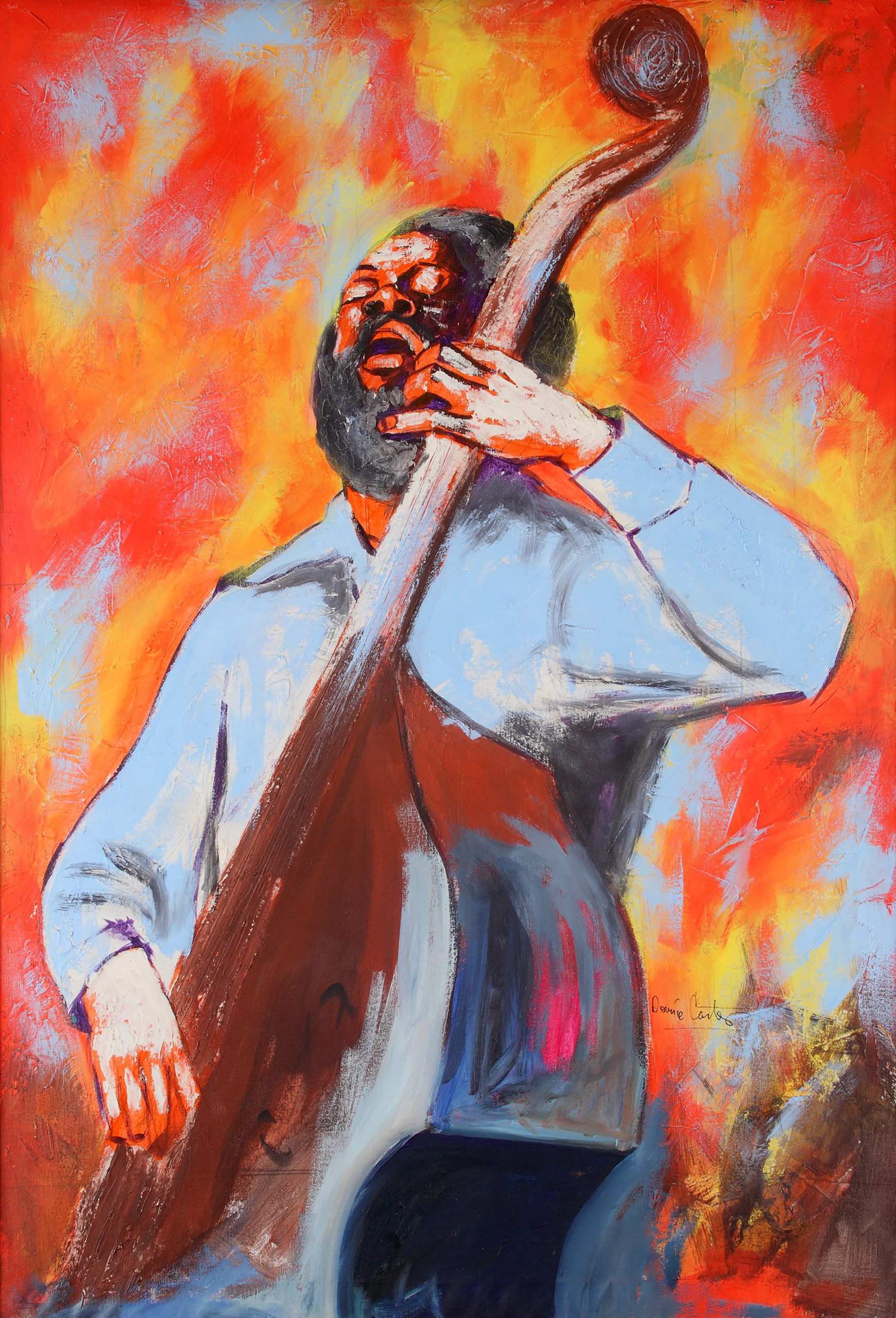
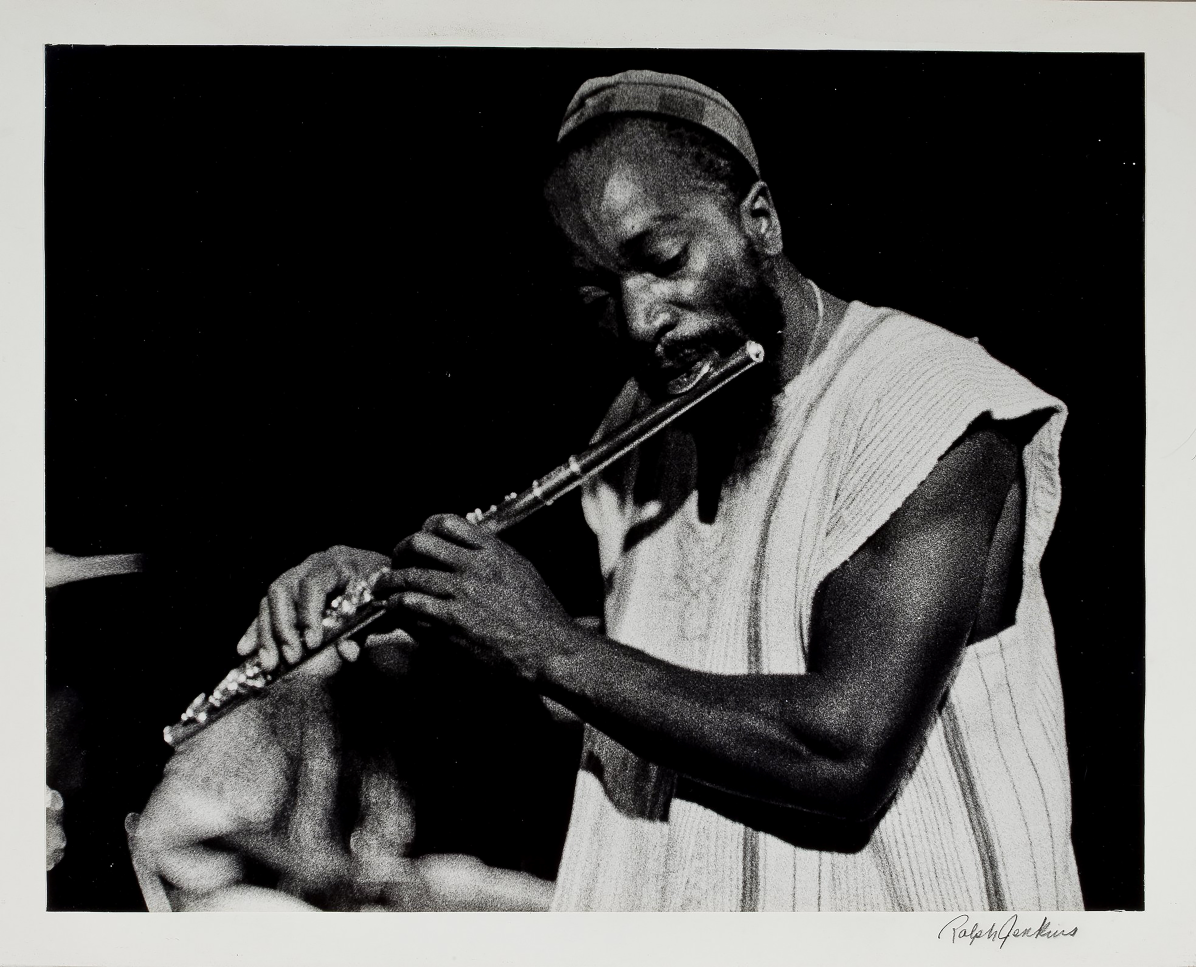
Sound at The Center
The South Side Community Art Center has long functioned as a site of musical gathering and experimentation. Musicians moved through its spaces to rehearse, perform, and build community. The piano reflects this history of presence, practice, and sound.
1970s gallery view, Dr. Margaret T. Burroughs Gallery. Photograph. Courtesy of the South Side Community Art Center Archives.
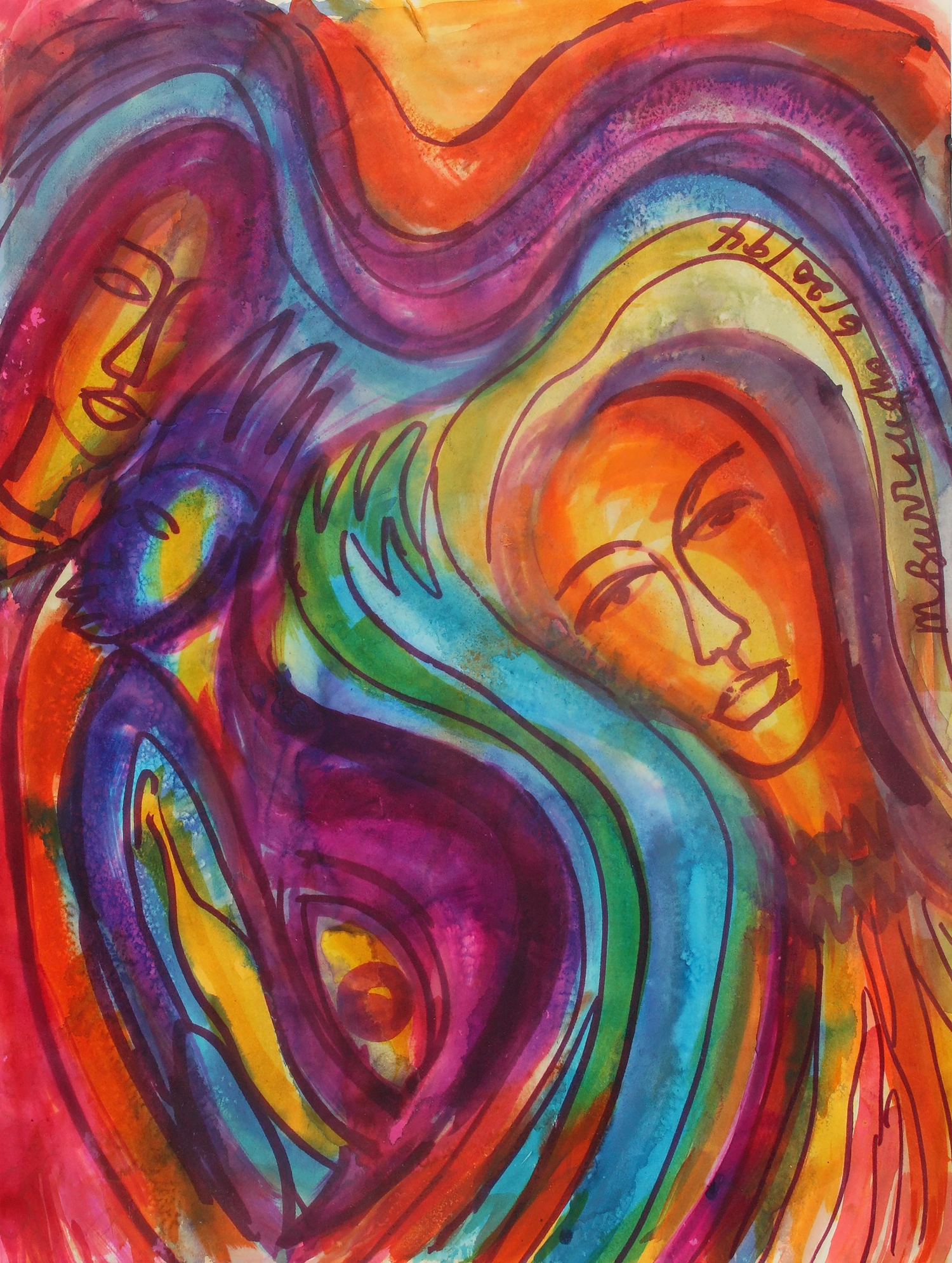
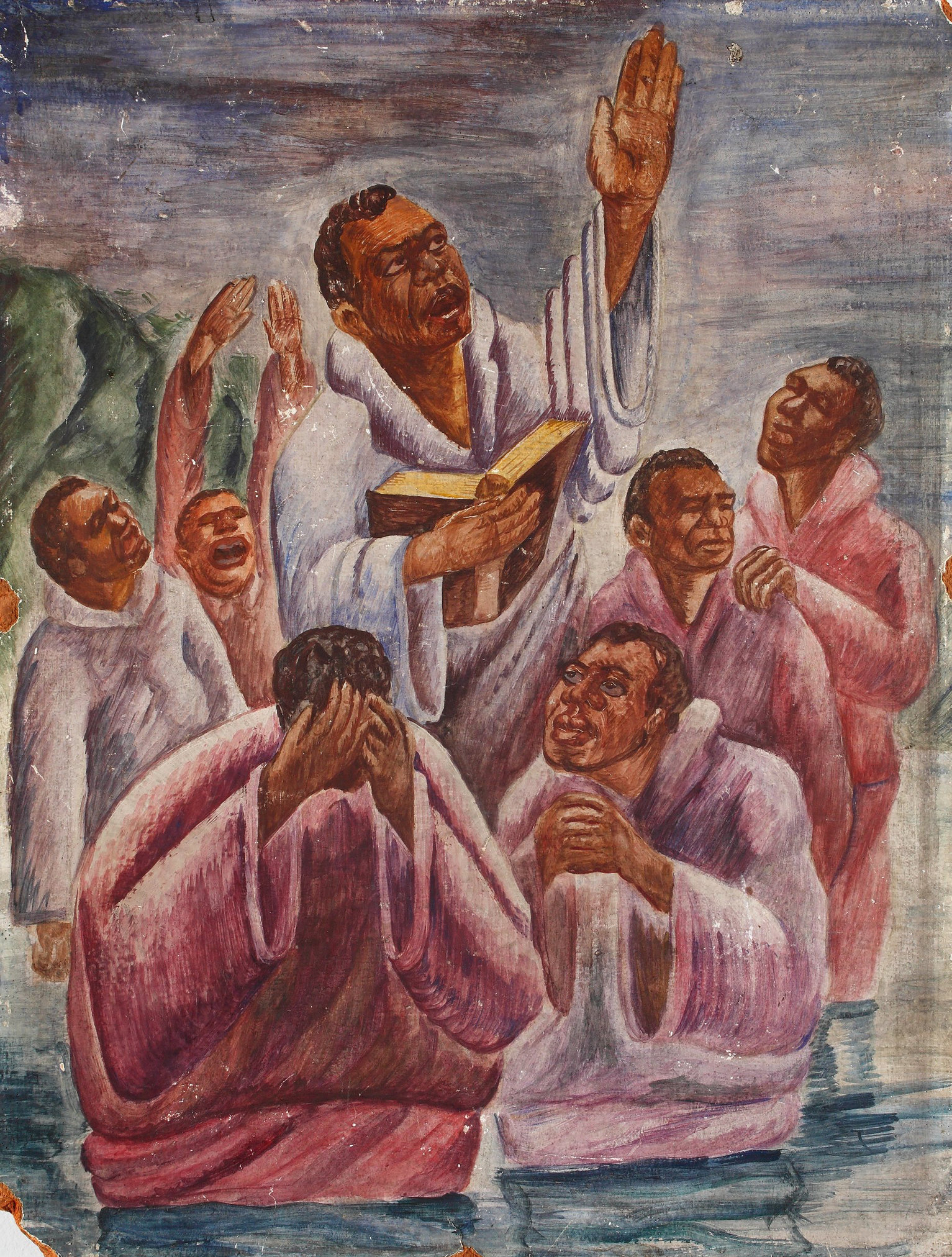
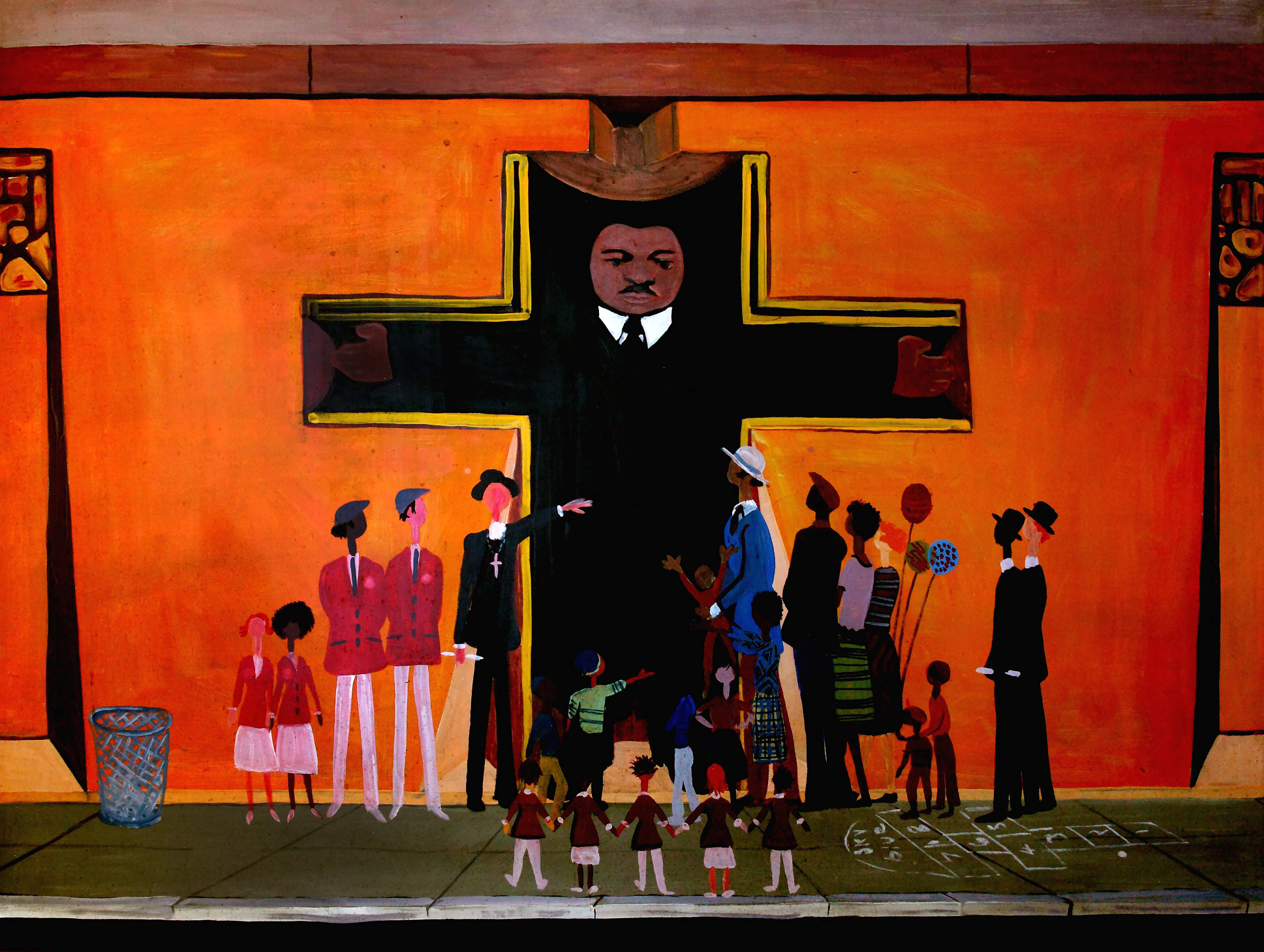
MIGRATION, MOVEMENT & NIGHTLIFE
Jazz arrives in Chicago through movement—through the Great Migration and the reconfiguration of Black life in the urban North. Musicians carried sound across geographies, adapting it to new conditions while preserving its improvisational core.
On the South Side, these transformations produced not only new musical forms, but new social worlds.
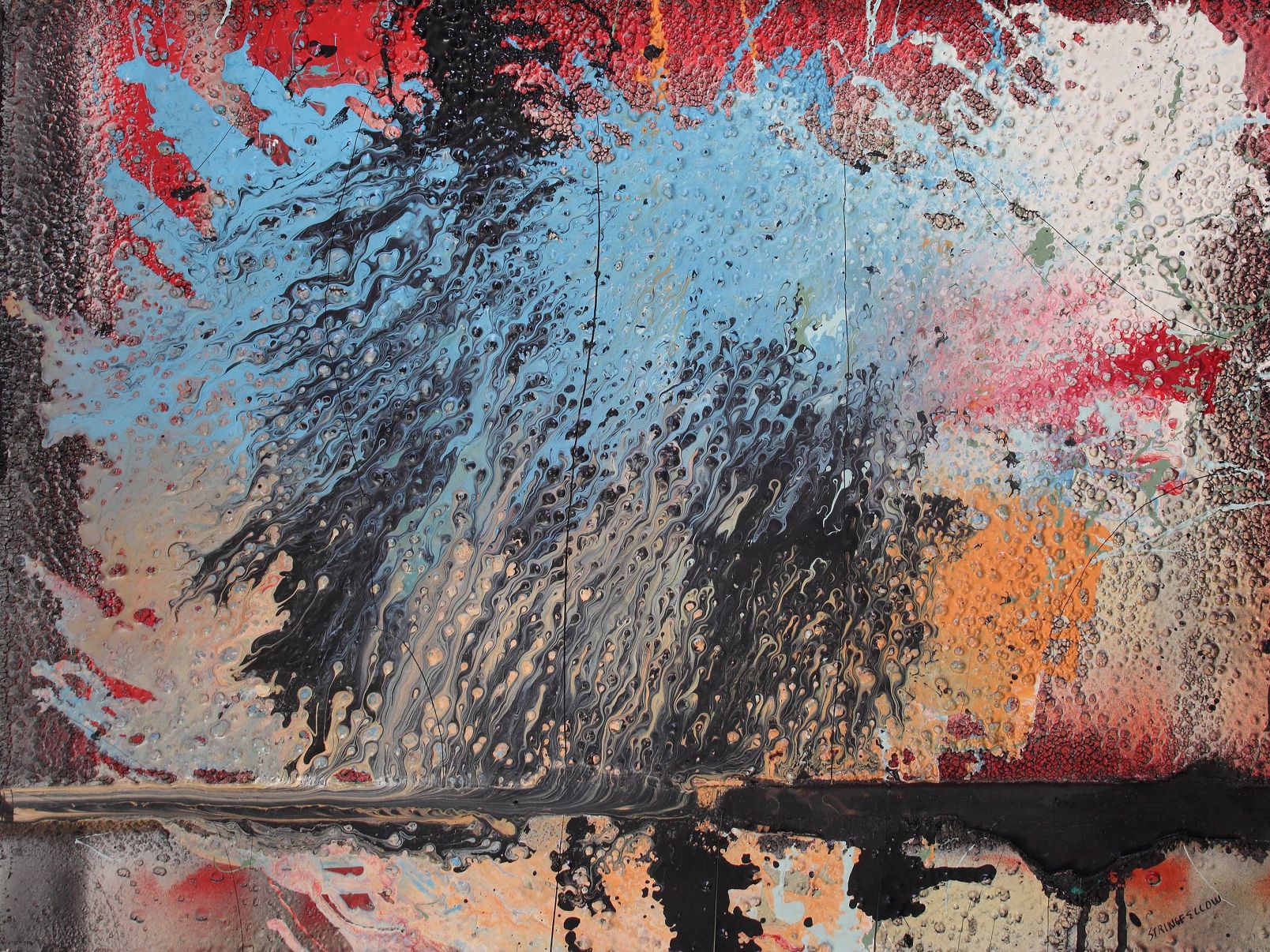
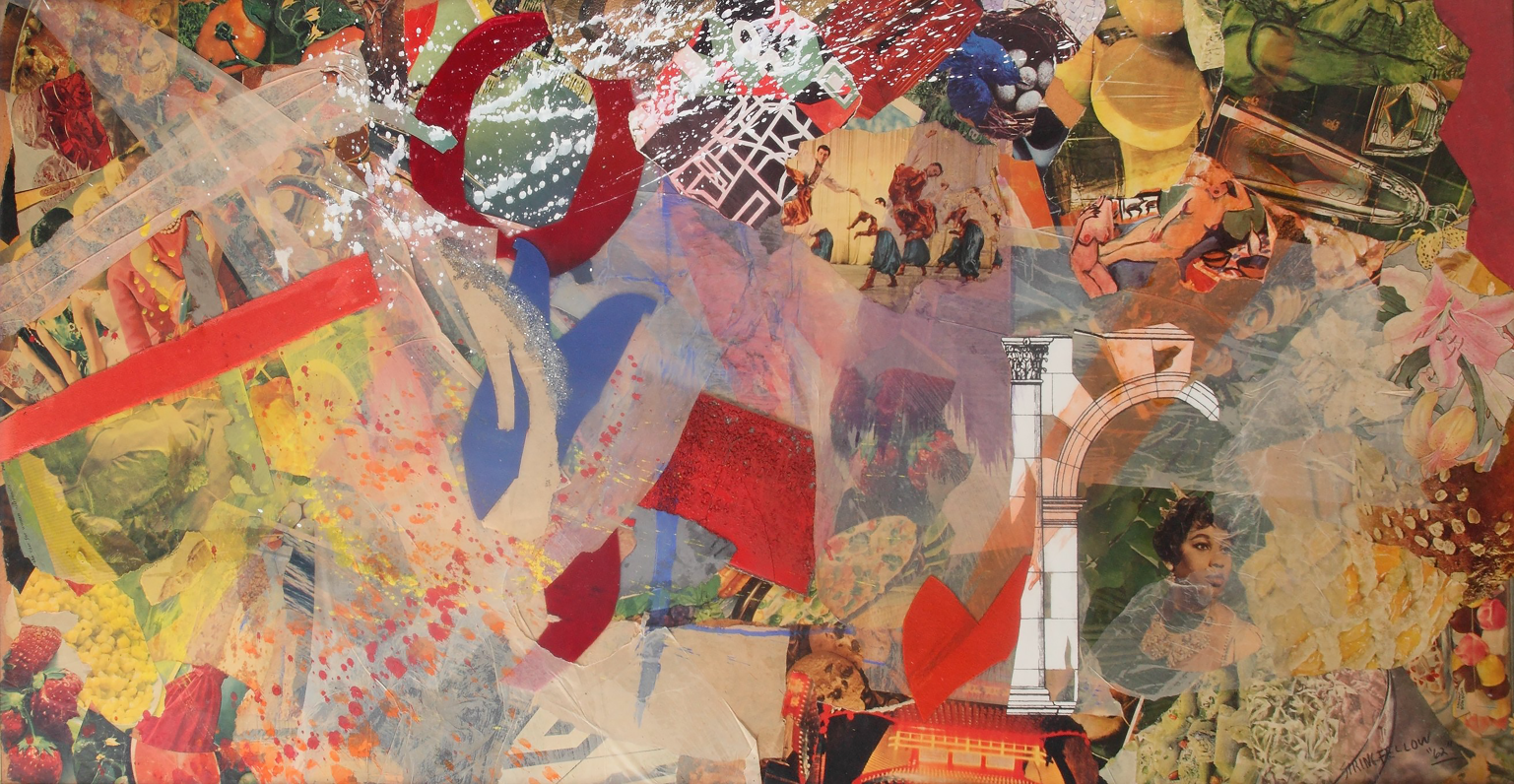
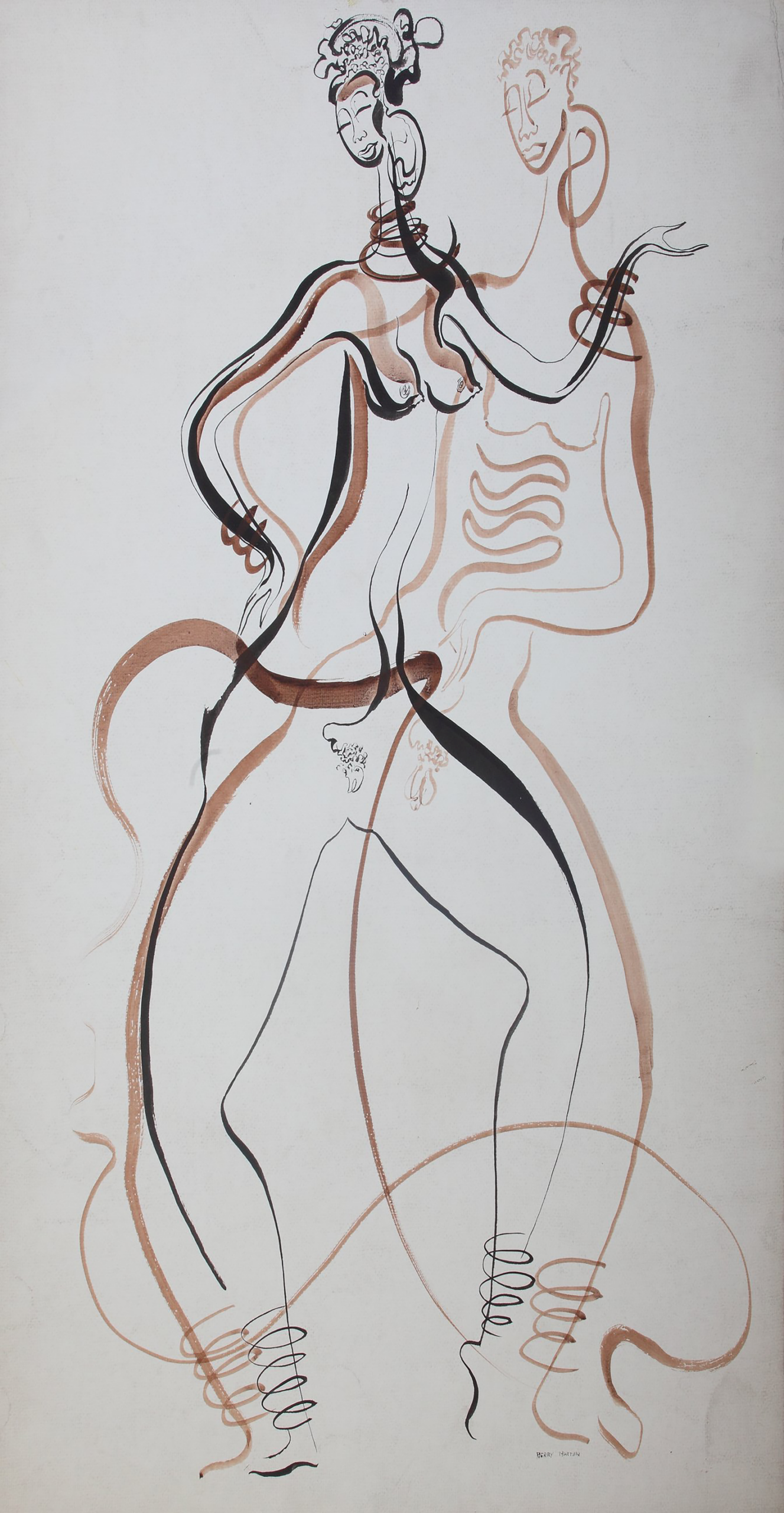
Nightlife provided the conditions for this sound to circulate and evolve. Clubs, ballrooms, and informal gathering spaces became sites where sound, style, and community life converged.
IMPROVISATION & STRUGGLE
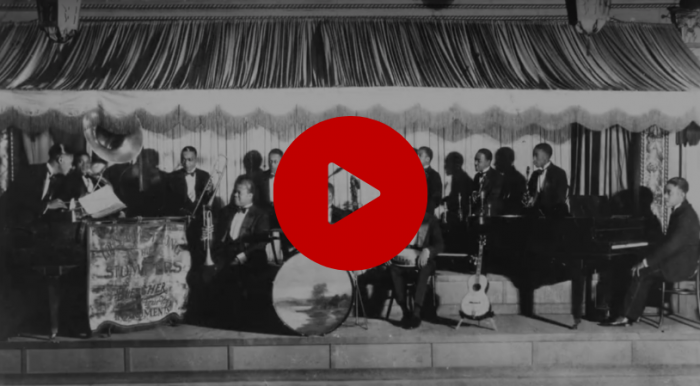
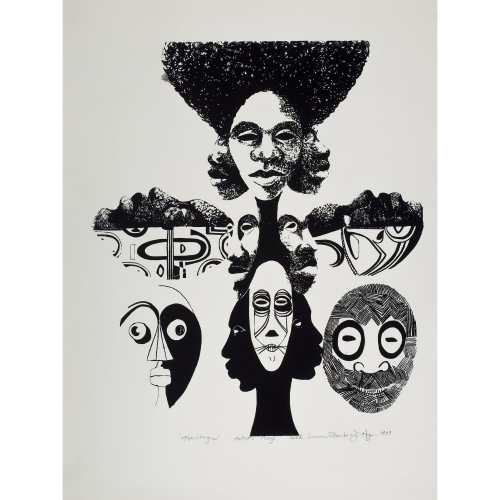
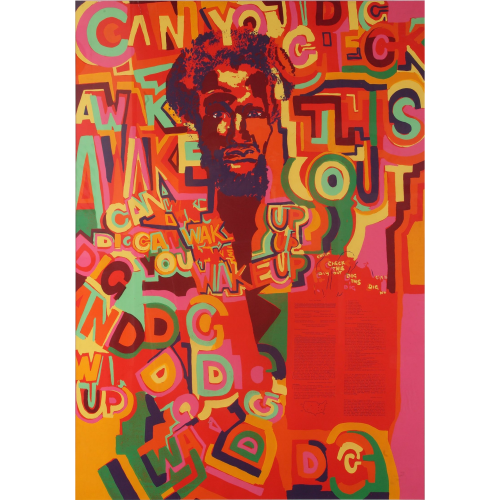
Improvisation operates not only as a musical technique but as an ancestral method of survival and creativity. Jazz, and its improvisational structure, emerges as both a response to condition and a method of making—not only sound, but meaning.
This way of making doesn’t come out of nowhere. It draws from African and African American musical traditions—call and response, rhythmic layering, and improvisation—practices carried across the Middle Passage and reshaped in the United States. These forms were never just aesthetic; they were ways of organizing sound, memory, and collective life under constraint.
In Chicago, this practice developed within systems of segregation, economic constraint, and ongoing struggle. Musicians worked within and against these structures, producing sound that carried both tension and possibility.
Between 1910 and 1970, as many as six million African Americans left the segregated South in what is now known as the Great Migration. In search of expanded opportunity and self-determination, many arrived in Chicago, reshaping the cultural and social landscape of the city.
Bronzeville emerged as a central hub of Black cultural life—home to artists, musicians, and institutions that defined a new era of creativity. While segregation imposed clear limits, it also concentrated resources, relationships, and networks within the community, creating conditions in which Black cultural production could flourish.
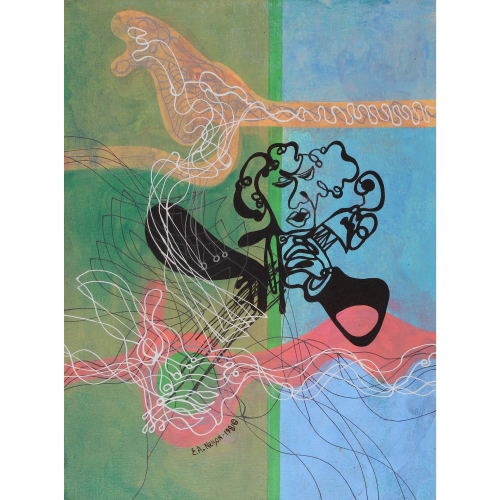
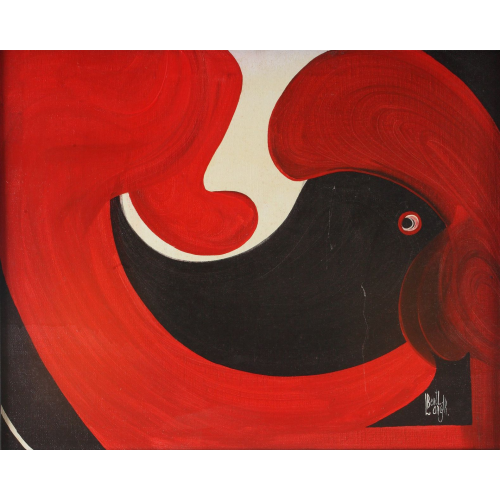
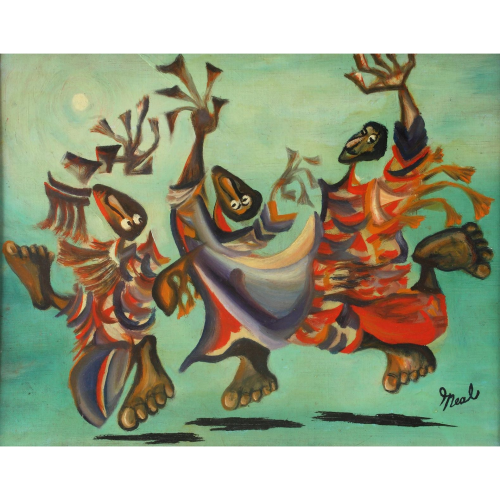
Watch: The Cry of Jazz (1959)
Directed by Edward O. Bland, The Cry of Jazz (1959) situates jazz as both musical form and social expression, drawing a direct relationship between the structure of jazz and Black life in the United States. Filmed in Chicago, it brings performance, theory, and everyday life into conversation.
AACM, CONTINUITY & LEGACY
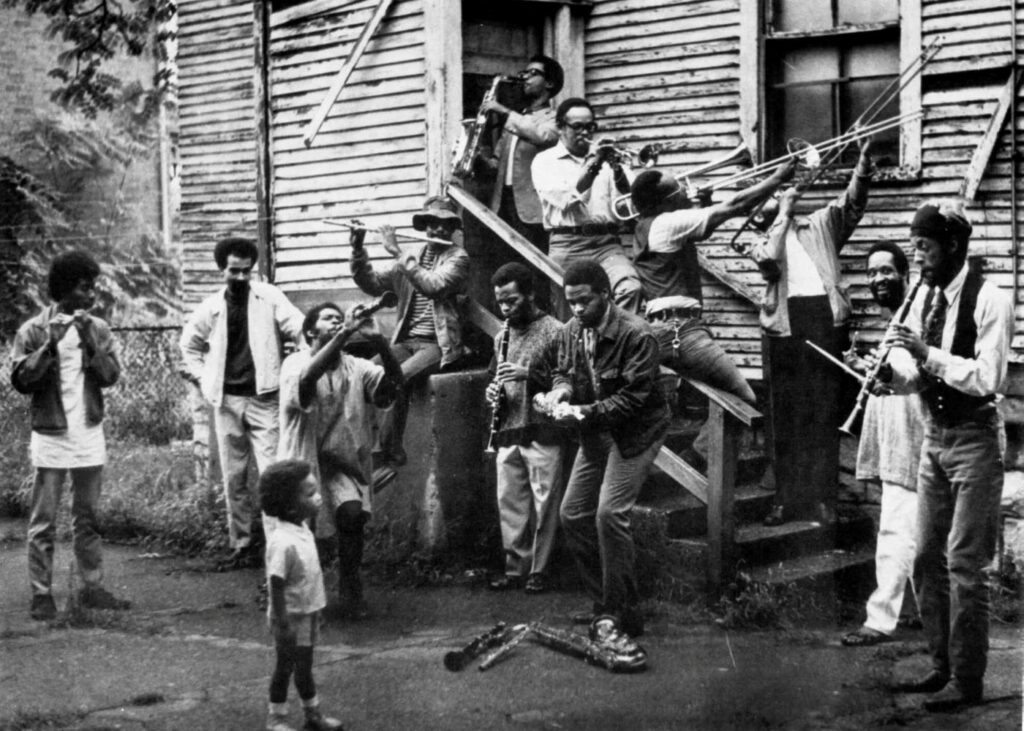
Wadsworth Jarrell, New Orleans–style group photo in painter Wadsworth Jarrell’s backyard, c. 1968. Archival pigment print; 8 × 10 in. (20.3 × 25.4 cm). Members of the Association for the Advancement of Creative Musicians. Courtesy of George Lewis.
Jazz persists not only as sound, but as method and memory. The South Side Community Art Center exists within an ongoing ecosystem of Black artistic production.
Founded on the South Side in 1965, the Association for the Advancement of Creative Musicians (AACM) formalized a commitment to experimental sound, self-determination, and artistic autonomy.
The archive remains active—shaping how this history is preserved, activated, and carried forward.
Special thanks
Support the South Side Community Art Center and help sustain a legacy
of Black artistic production, preservation, and community engagement.
Curated by jada-amina, Public Programs and Engagement Manager, and rachel dukes, Archives fellow